
Real Lives. Real Connection. Real Transformation.
Healing, mentorship, and opportunity for Denver youth through connection with adults who have walked the same road.
What is LEI?
Why LEI Matters
What Students Experience
The LEI Approach and Program Philosophy
LEI is an eight-week immersive program where students meet adults with lived experience in addiction, violence, incarceration, family trauma, and recovery and learn through storytelling, self-reflection, and guided mentorship.
More than 20,000 youth in Colorado are justice-involved or justice-adjacent.
Youth are more likely to open up and engage when speaking with adults who actually know what their lives feel like
Traditional systems often don’t have the relational capital to reach these students
Healing happens through trust, connection, and shared humanity
LEI helps students feel seen, heard, supported, and hopeful
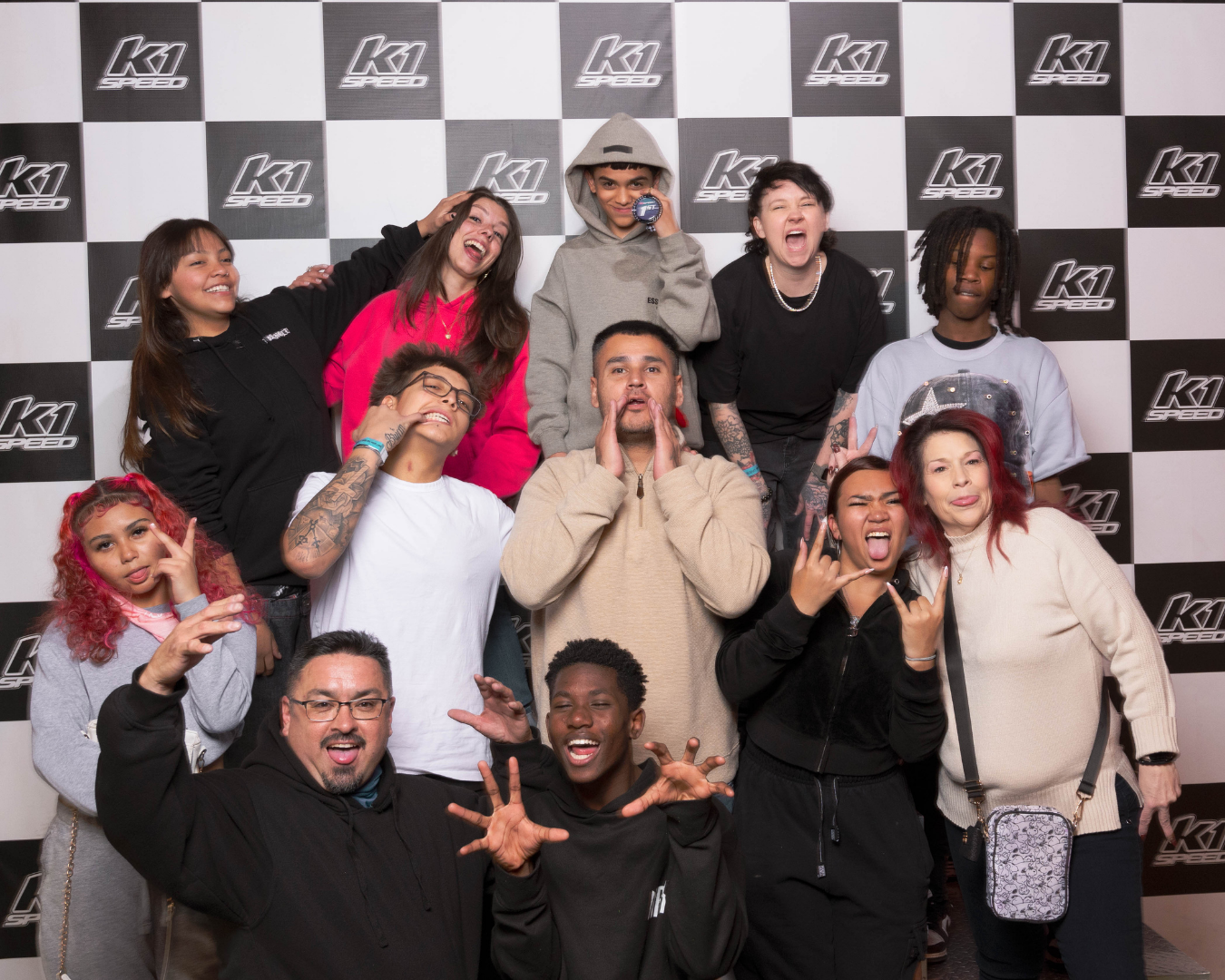
Guest speakers with real lived experience
Small-group discussion circles
Food shared each session (community ritual)
A relationship-based mentorship environment
A culture of confidentiality and emotional safety
Guided reflection and self-assessment
Achievement recognized with certificates and celebration
-
LEI is built on the belief that young people change through connection, not compliance.
Students are met as whole humans with voice, agency, and lived realities that deserve respect. By creating emotionally safe spaces grounded in confidentiality and care, LEI helps students feel seen and valued, often for the first time in a school setting.
-
LEI is experience-based and trauma-informed, led by adults who have walked similar paths and built stability and community on the other side.
Through storytelling, dialogue, and shared reflection, students learn from people who understand addiction, incarceration, violence, and recovery firsthand. This approach allows learning to feel authentic, relevant, and rooted in shared understanding.
-
LEI helps students imagine and build what comes next. The program is intentionally future-focused, supporting goal-setting, self-reflection, and motivation through consistent positive reinforcement.
Group experiences like shared meals, celebrations, certificates, and milestone rewards reinforce effort and growth.
Who Leads LEI?
LEI is led by adults who have survived addiction, incarceration, family violence, and system-impact, and have gone on to build stability, purpose, careers, and community.
-
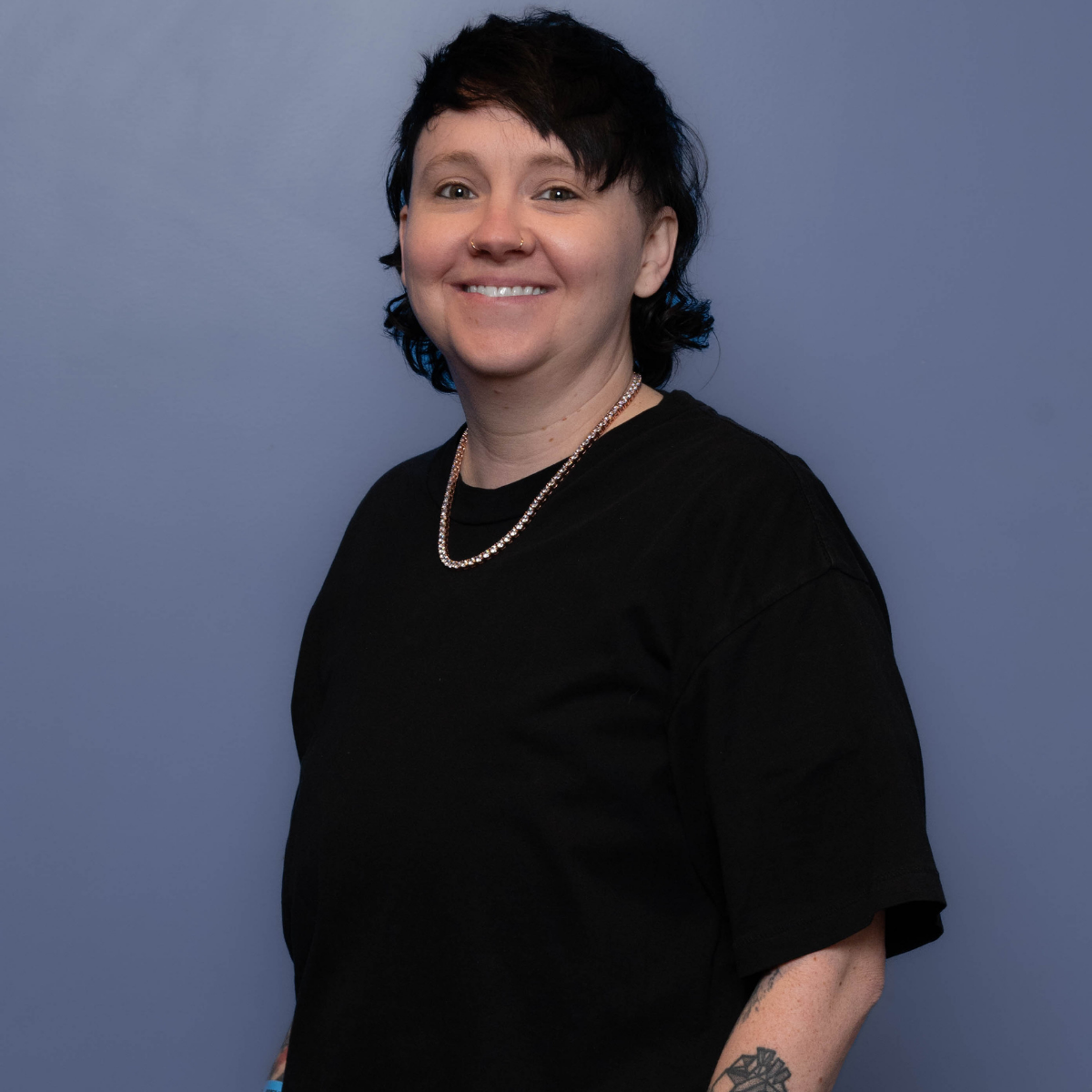
Danielle Mason
Youth Violence Prevention Program Director
-

Jamecia Evans
Intern
Ways to Engage


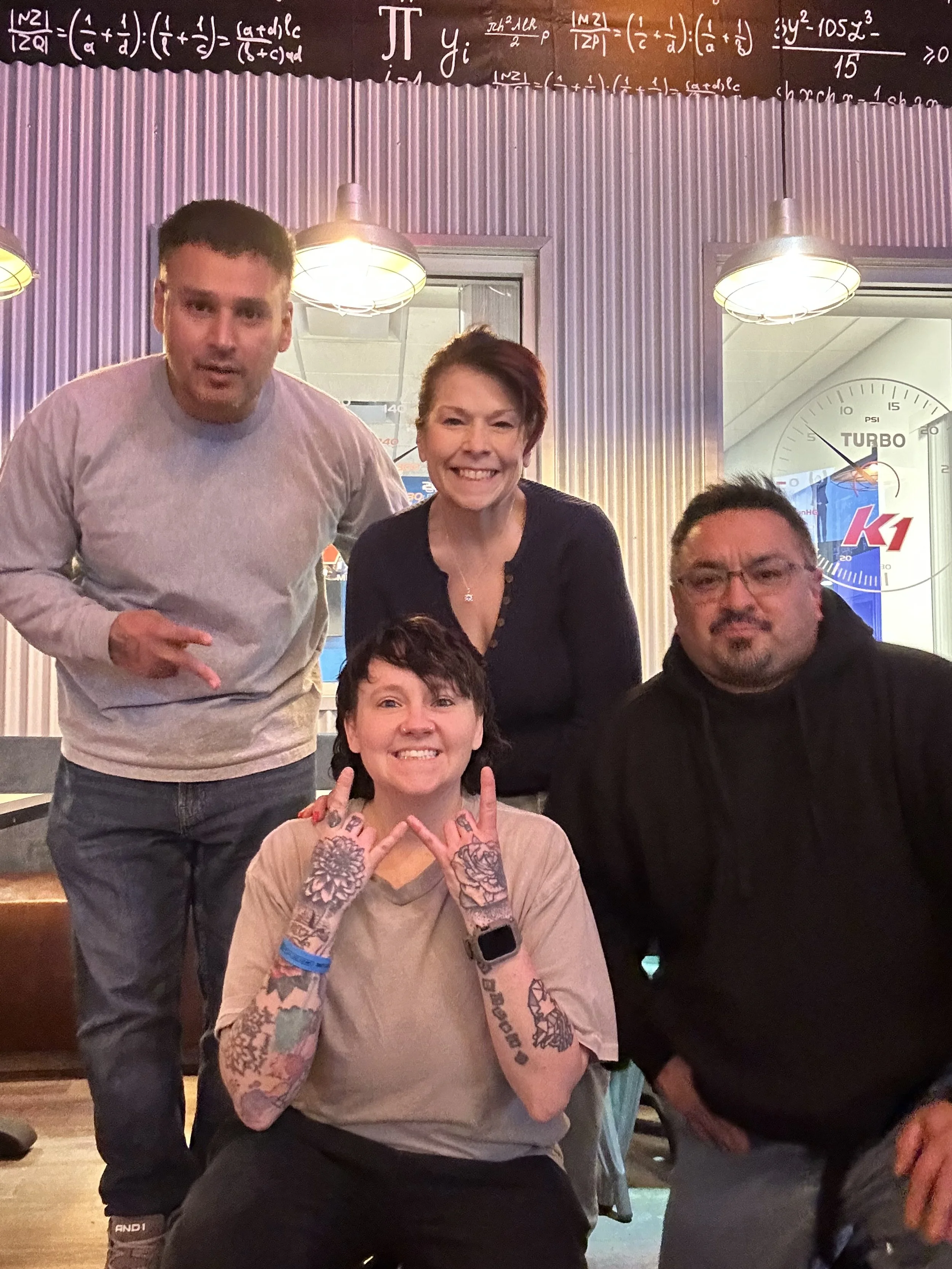
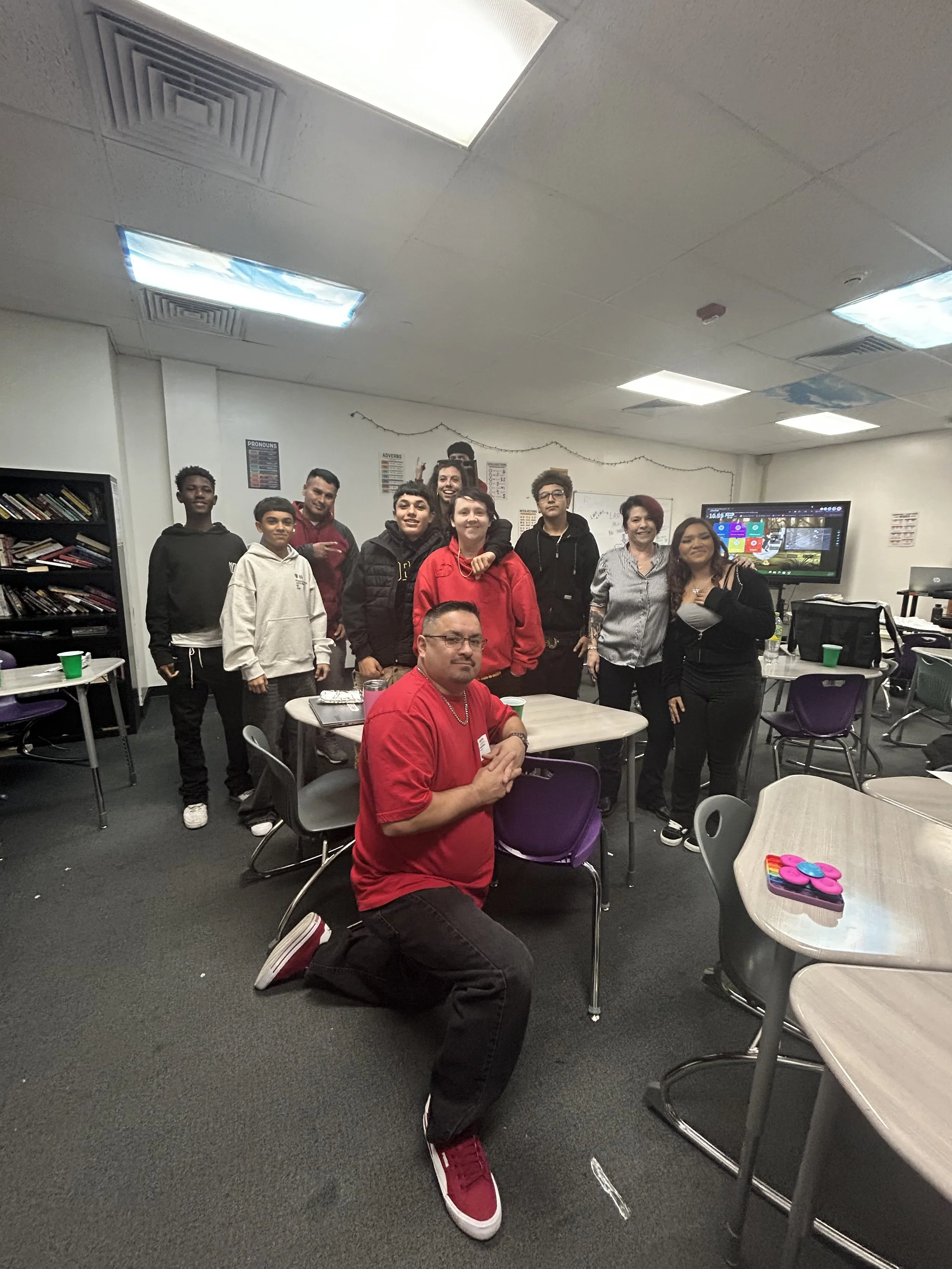
Be a Guest Speaker
Do you have a lived experience story to share?
Join us for one session and speak directly with youth in our program.
We’ll support you beforehand and walk you through the process.
Your vulnerability could be the turning point in someone’s life.
Become a Mentor
Join our 8-week mentorship cohort and work with students in small-group settings!
7 weekly 1-hour sessions and one culminating 5-hour graduation day
Training and coaching provided. You will not be thrown in unprepared.
We are looking for mentors who are compassionate, reliable, and able to hold space with humility.
Bring LEI to Your School
If you’re a Denver school leader, mental health staff member, or administrator, you can host LEI on-site.
Free for schools
Adaptable to your student population
Fits into advisory or can count as elective credit
We work alongside your team, not separately
You identify 15–20 students and we facilitate the rest
We support student & parent permission processes
Staff can observe, participate, or fully engage — we welcome it!
We don’t arrive with a pre-set agenda. We design with you and for your unique student population.
If your school is seeing any of the following, we are here to help:
Peer conflict
Domestic violence ripple effects
Substance misuse
Truancy
Self-harm indicators
Gang involvement
Emotional shutdown
How to Know if LEI is Right for Your School
We want to encourage school leaders to self-identify. LEI may be a strong fit if:
You have students struggling with connection, trust, or self-worth
Punitive discipline isn’t producing growth
Your staff is seeking deeper culture-building tools
You need community-integrated support
You want SEL that isn’t superficial
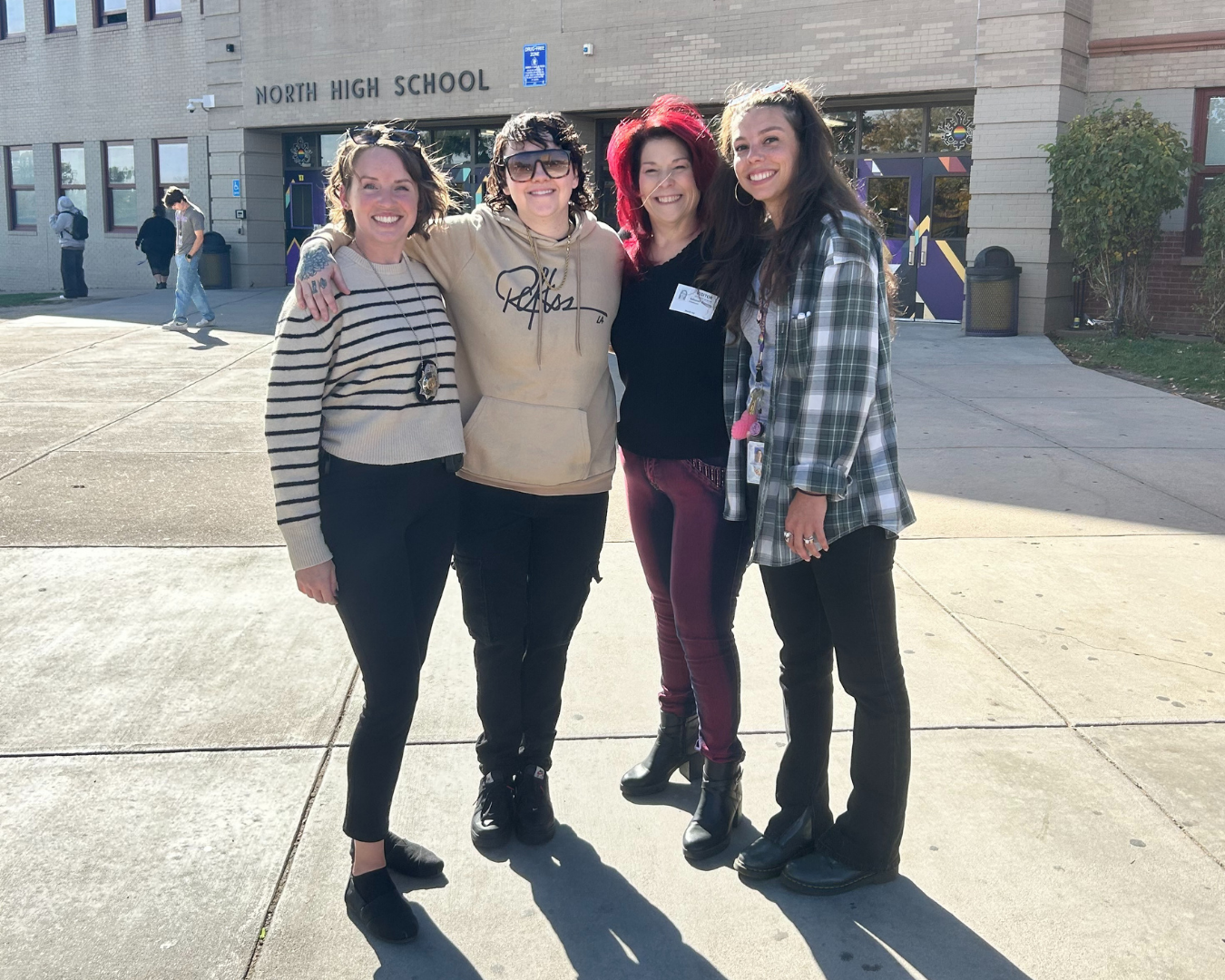
Get in Touch
Contact LEI today to get started.
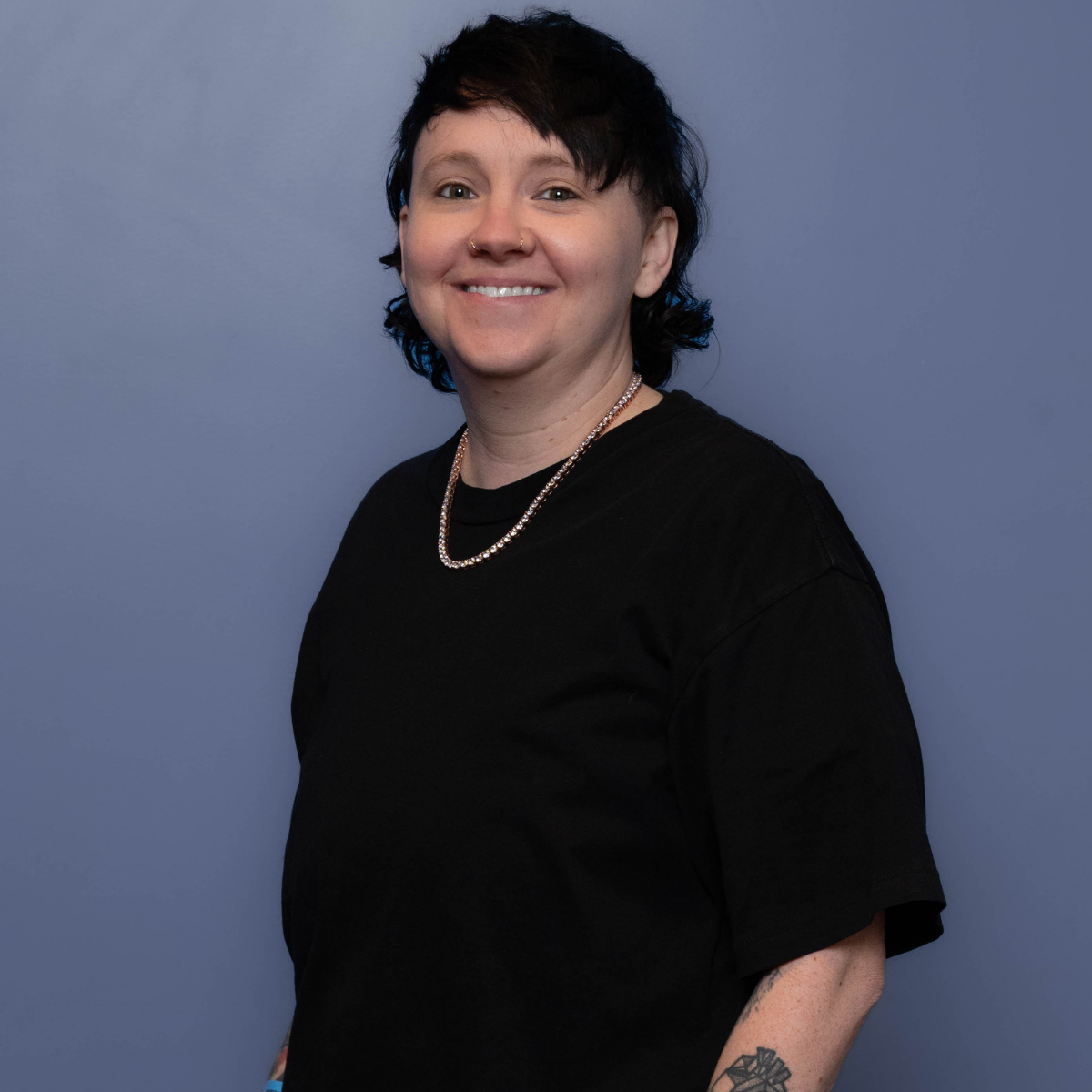
Danielle Mason - Program Director